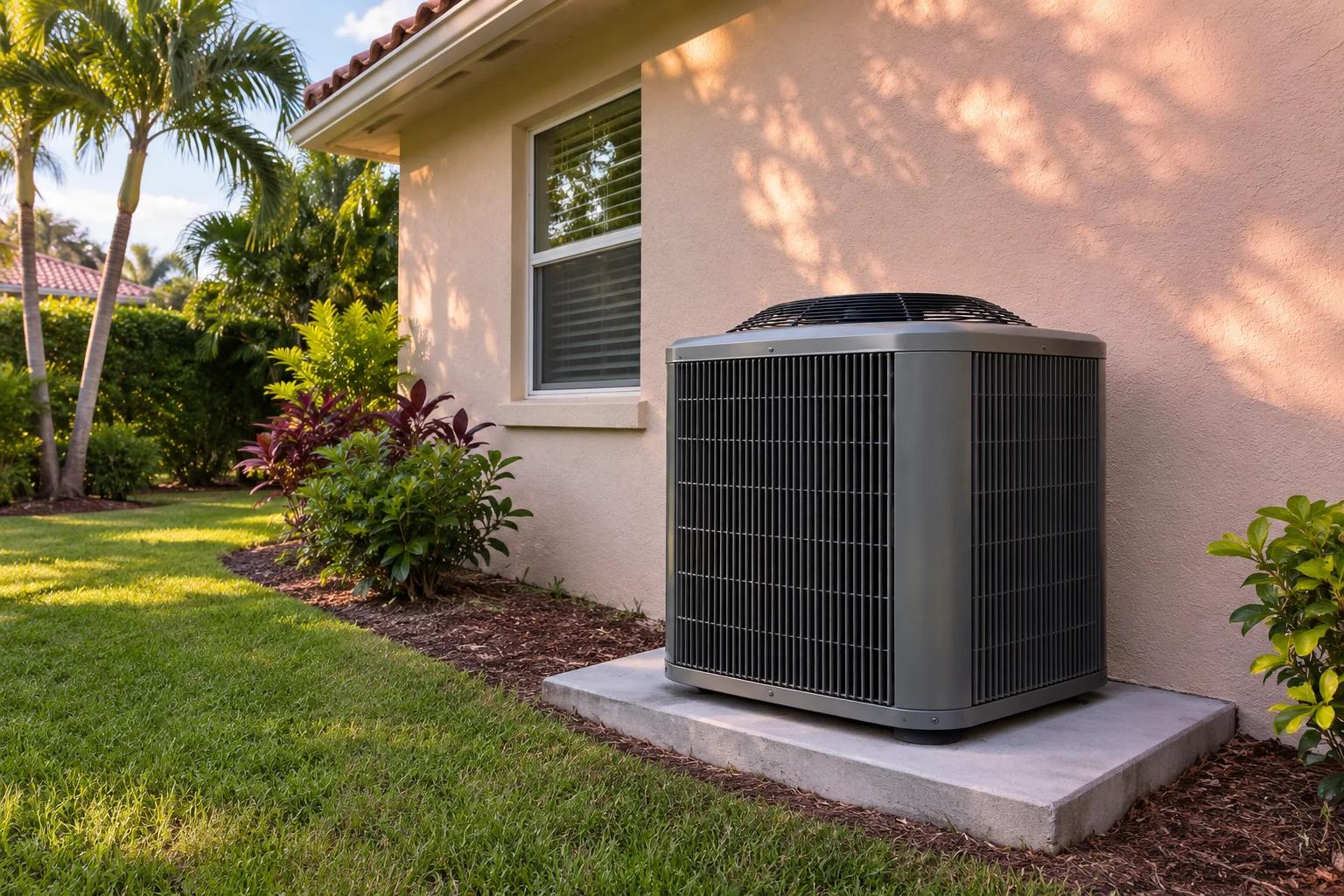
Choose for the home, then choose the equipment
A replacement air conditioner is a system decision. Capacity needs to suit the cooling load, and the blower, coil, ducts and controls must work together. Repeating the old nameplate capacity can preserve an old mismatch. Explain which rooms feel warm, when the home feels damp and whether insulation, windows or room use have changed.
Ask how the proposed system will be sized and how airflow will be verified. Larger equipment is not a substitute for that assessment. A system that cycles off quickly can leave moisture-control problems unresolved, while restricted returns can limit the performance of new equipment. The Building America Solution Center's air-conditioning guidance discusses sizing and installation as part of the selection process.
Make the installation scope visible
Compare the indoor and outdoor model numbers, matched-system information, thermostat compatibility and the work included at the existing connections. Drainage, the equipment support, electrical supply and refrigerant piping should each be addressed where applicable. Ask who handles required permits and inspections, removal of old equipment and any building access arrangements.
The proposal should also explain start-up checks. Equipment placed on a pad is not the same milestone as a commissioned system. Discuss how airflow, drainage, control functions and cooling operation will be checked, and how the owner receives maintenance and warranty information.
Address the complaint that prompted replacement
If the main concern is a humid bedroom or an uncomfortable addition, make sure the design responds to that concern. A ductless system or a different airflow plan may deserve comparison. A heat pump is another system option when both cooling and heating are part of the project. Our replacement cost guide helps compare proposals without relying on unsupported price ranges.