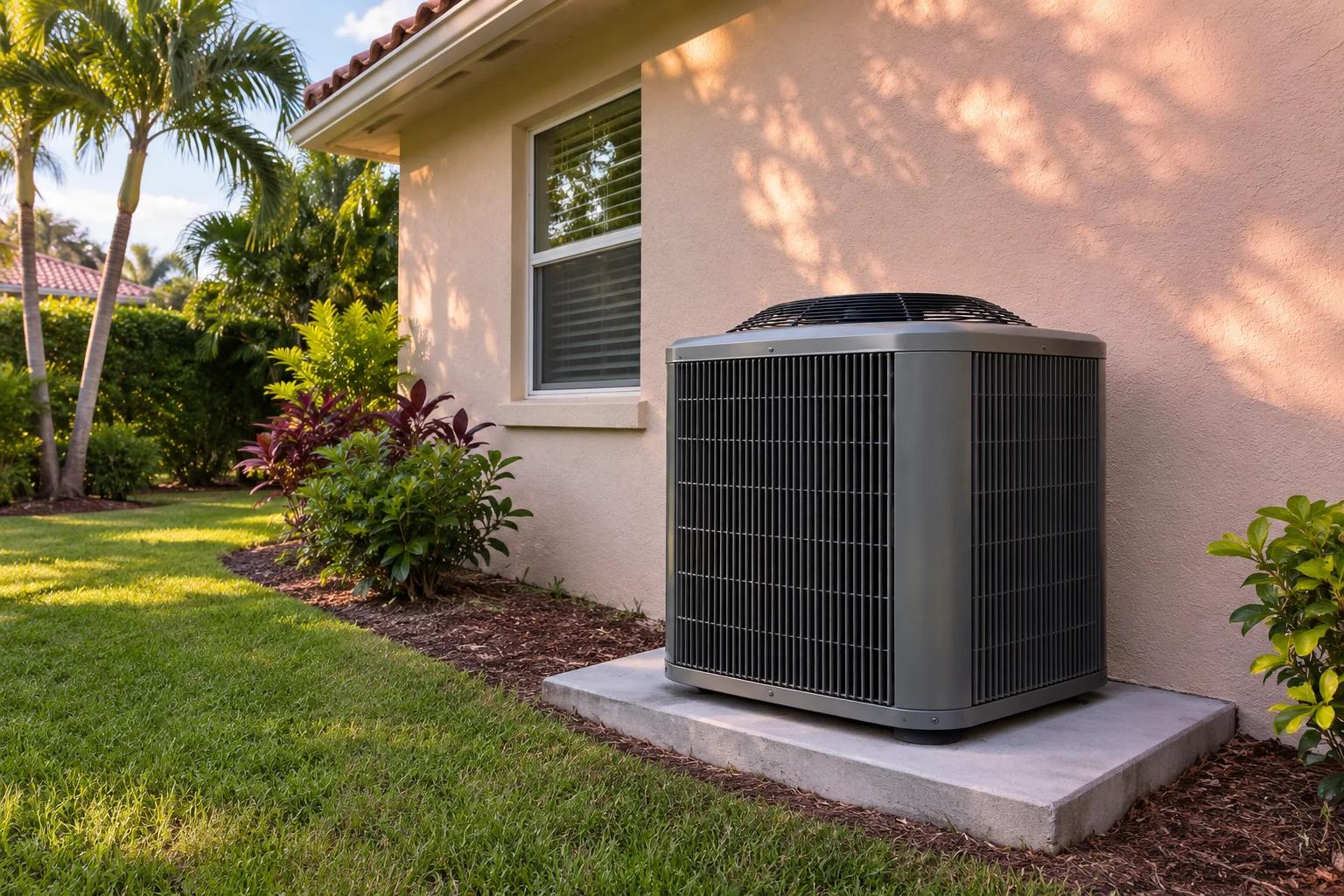
Describe what stopped and what you can observe
When cooling fails suddenly, useful information includes the service address, system type, whether air is moving and whether there is ice, water or an unusual sound. Explain when the change started and whether the system has already shut down more than once. Those details help the provider understand the request without assuming a repair or promising a dispatch time.
Calls can be made 24/7. An appointment, arrival time and available equipment expertise must be confirmed separately by the provider. If the request reaches voicemail, leave a callback number and a concise description. A recorded request is not a booked visit.
Immediate hazards take priority
For smoke, fire, a suspected gas leak or a carbon-monoxide alarm, leave the affected area and contact emergency services or the utility from a safe location. Do not wait for an HVAC callback. Keep away from water near electrical equipment and do not attempt to make flooded equipment run. Our phone line is a service-request channel, not an emergency-services substitute.
For a routine cooling fault, you may check the thermostat setting and an accessible filter if it is safe. Keep panels in place, do not bypass drain or temperature safeties and do not keep resetting a breaker or fault. Stop using equipment showing signs of damage and let a qualified provider assess it.
Agree the visit terms before the work
Ask whether an assessment is available at your address, what the visit charge covers and whether after-hours terms apply. Parts availability and the diagnosis can affect the next step, so separate an inspection from a commitment to finish a repair on that visit. Our AC repair page explains diagnostic questions, and the service process sets out the information to confirm before authorizing work.